Les nouvelles habitudes des Français (vin & bière) - Changing habits among the French (wine & beer) (Level B1-B2)
🎯 Audio & quiz included
Voici quelques expressions et mots de l'article à connaître qui vous permettront d'enrichir votre vocabulaire :
de l’art de vivre : art of living
perdre de sa superbe : to lose its splendor / prestige
tourner le dos : to turn one’s back on
certes : admittedly
diminue : decreases
les lignes sont en train de bouger : things are shifting / changing
en toile de fond : in the background
autrement : differently
gagne du terrain : is gaining ground
de plus en plus : more and more
lèvent le pied : slow down
près d’un sur cinq : nearly one in five
un essor fulgurant : rapid growth
tire son épingle du jeu : stands out / does well
davantage : more
quotidienne : daily
à l’inverse : on the contrary / In contrast
peinent : struggle
ancrée : deep-rooted
porté par une forte sensibilité aux questions de santé : driven by strong health awareness
mode de vie : lifestyle
opérer un virage : to make a shift
s’éloigne : moves away
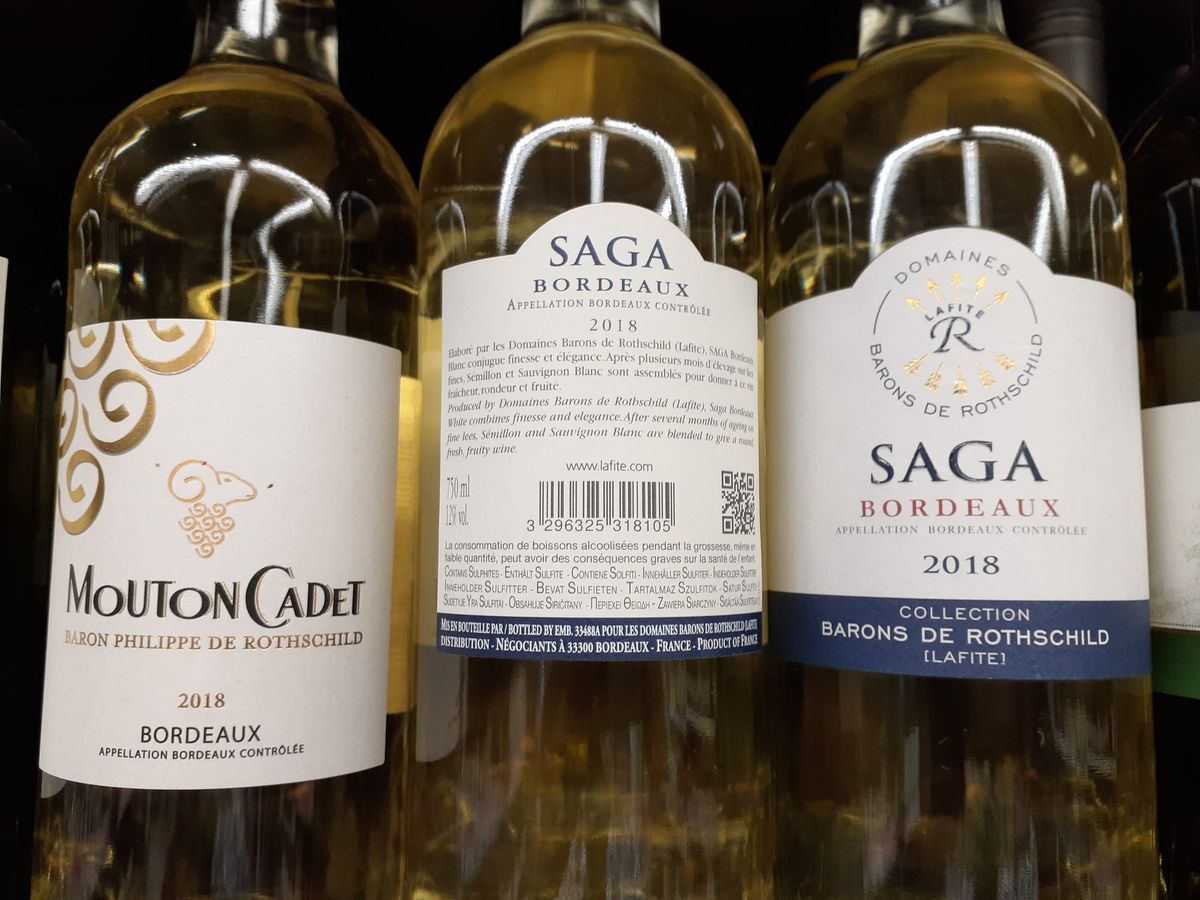
Longtemps symbole de l’art de vivre (art of living) à la française, le verre de vin à table semble peu à peu perdre de sa superbe (to lose its splendor). Selon une étude publiée en 2026, les habitudes de consommation d’alcool évoluent à grande vitesse, notamment chez les jeunes générations, qui tournent le dos (turn their backs on) à ce modèle traditionnel.
Certes (admittedly), le vin reste en tête des boissons préférées des Français, mais il n’est plus intouchable. Sa consommation diminue (decreases), tout comme celle de la bière, signe que les lignes sont en train de bouger (things are shifting). En toile de fond (in the background), une tendance s’impose : on boit moins, et surtout, on boit autrement (differently).
La modération gagne du terrain (is gaining ground). De plus en plus (more and more) de Français lèvent le pied (slow down), et près d’un sur cinq (nearly one in five) affirme avoir complètement arrêté l’alcool. En même temps, les alternatives sans alcool ou faiblement alcoolisées connaissent un essor fulgurant (rapid growth). La bière sans alcool, en particulier, tire son épingle du jeu (stands out) et s’impose comme le secteur le plus dynamique du marché. Chez les 18–25 ans, le phénomène est encore plus marqué : ces nouvelles options séduisent massivement cette génération.
Les goûts évoluent eux aussi. Les consommateurs se laissent davantage (more) tenter par les vins effervescents, les cocktails ou des boissons plus légères, souvent associées à des moments festifs plutôt qu’à la routine quotidienne (daily). À l’inverse (on the contrary), certaines boissons plus traditionnelles peinent (struggle) à suivre le mouvement.
Car c’est bien là le cœur du changement : l’alcool n’est plus un réflexe, mais un choix. On ne boit plus par habitude, mais pour le plaisir, lors d’occasions sociales ou d’événements. Une transformation profonde qui redéfinit le rapport des Français à l’alcool.
Les États-Unis, un modèle en miroir
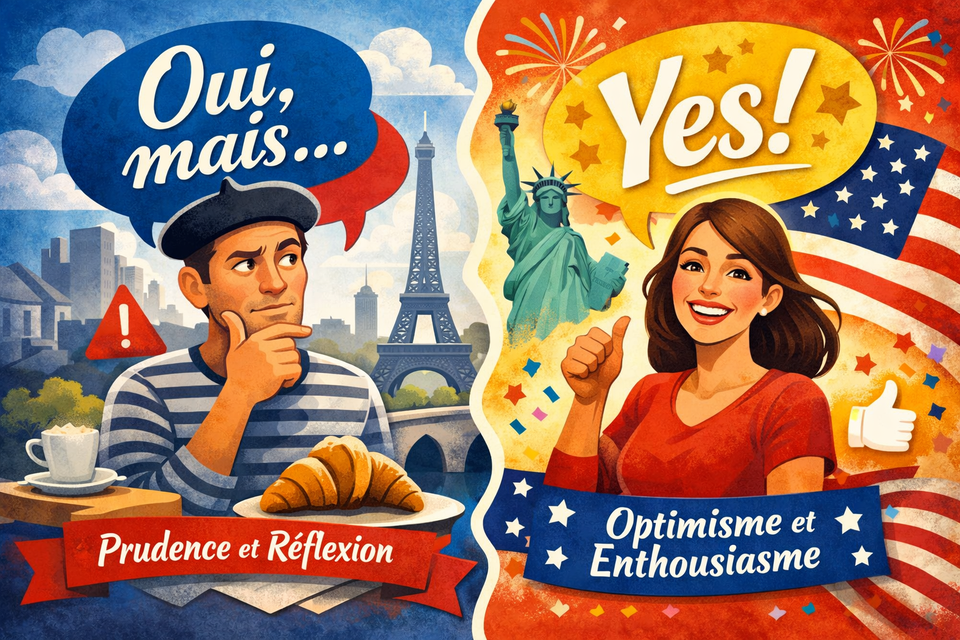
De l’autre côté de l’Atlantique, les États-Unis suivent une trajectoire comparable, mais pour des raisons différentes. Ici, pas de tradition ancrée (deep-rooted) du verre quotidien : la consommation d’alcool relève plus des tendances que de l’héritage culturel.
Le mouvement du no/low alcohol y progresse encore plus rapidement, porté par une forte sensibilité aux questions de santé (driven by strong health awareness) et par la vague du sober curious ( : remettre en question sa consommation d’alcool). L’innovation marketing y joue également un rôle clé, avec une offre extrêmement diversifiée : hard seltzers ( : eau pétillante+ alcool 5%+ arômes fruités), cocktails prêts-à-boire, bières artisanales… autant de produits qui concurrencent directement le vin.
Dans ce contexte, boire — ou ne pas boire — devient un marqueur de mode de vie (lifestyle). Aux États-Unis, l’alcool s’inscrit dans une logique de bien-être, d’image personnelle et de choix individuels.
Une transition culturelle
Au fond, la France est en train d’opérer un virage (to make a shift) discret mais profond : d’une culture du vin quotidienne, elle glisse vers une culture du choix et de la modération. Les jeunes générations, en particulier, redéfinissent les codes.
La France s’éloigne (moves away) progressivement de son modèle traditionnel pour se rapprocher, lentement mais sûrement, d’un mode de consommation plus proche de celui des États-Unis.
📝 Quiz
Choisissez la bonne réponse puis cliquez sur Vérifier.
1. Quelle est la principale évolution de la consommation d’alcool en France ?
2. Quel groupe est le plus concerné par les nouvelles habitudes ?
3. Quelle boisson connaît la plus forte croissance ?
4. Pourquoi les États-Unis adoptent-ils rapidement le “no/low alcohol” ?
5. Quelle est la grande différence entre la France et les États-Unis ?
Astuce : vous pouvez modifier vos réponses et cliquer à nouveau.
TRADUCTION
Why Are the French Drinking Less Wine? The Great Shift in Consumption Habits
For a long time a symbol of the French art of living, the glass of wine at the table now seems to be gradually losing its prestige. According to a study published in 2026, alcohol consumption habits are evolving rapidly, particularly among younger generations, who are turning their backs on this traditional model.
Admittedly, wine remains the favorite drink of the French, but it is no longer untouchable. Its consumption is decreasing, just like beer, a sign that The landscape is shifting. In the background, a clear trend is emerging: people are drinking less, and above all, drinking differently.
Moderation is gaining ground. More and more French people are slowing down, and nearly one in five says they have completely stopped drinking alcohol. At the same time, alcohol-free or low-alcohol alternatives are experiencing rapid growth. Alcohol-free beer, in particular, stands out and is now the most dynamic segment of the market. Among 18–25-year-olds, the trend is even more pronounced, as these new options strongly appeal to this generation.
Tastes are also evolving. Consumers are more inclined to choose sparkling wines, cocktails, or lighter drinks, often associated with festive occasions rather than daily routines. In contrast, some more traditional drinks struggle to keep up.
This is at the heart of the change: alcohol is no longer a reflex, but a choice. People no longer drink out of habit, but for pleasure, during social occasions or events. A profound transformation that is redefining the French relationship with alcohol.
🇺🇸 The United States: a mirror model
Across the Atlantic, the United States is following a similar path, but for different reasons. Here, there is no deep-rooted tradition of daily drinking: alcohol consumption is driven more by trends than by cultural heritage.
The no/low alcohol movement is growing even faster, driven by strong health awareness and the sober curious trend. Marketing innovation also plays a key role, with a highly diversified offer: hard seltzers, ready-to-drink cocktails, craft beers… all competing directly with wine.
In this context, drinking — or not drinking — becomes a lifestyle marker. In the United States, alcohol is part of a broader logic of well-being, personal image, and individual choice.
A cultural shift
At its core, France is making a shift, discreet but profound: from a daily wine culture to one centered on choice and moderation. Younger generations, in particular, are redefining the norms.
France is gradually moving away from its traditional model and is slowly but surely aligning with a consumption pattern closer to that of the United States.