Le Marathon de Paris 2026 : 50 ans de course… et toujours plus de passion - The Paris Marathon 2026: 50 Years of Racing… and More Passion Than Ever (Level B1-B2)
🎯 Audio & quiz included
- un engouement : enthusiasm
- l’attractivité : appeal
- le parcours : route
- emblématique : iconic
- une ambiance : atmosphere
- à travers : through
- mourir d’épuisement : to die of exhaustion
- promouvoir : to promote
- le dépassement de soi : pushing your limits
- prestigieux : prestigious
- sélectifs : selective
- tandis que : whereas
- tirage au sort : random draw
- large : broad / wide
- épreuves : events
- davantage tourné vers : more oriented towards
- les cadres urbains : urban professionals
- un effet de mode : a trend
- voire : even
- un surentraînement : overtraining
- besoin de reconnaissance : need for recognition
Le Marathon de Paris 2026 : 50 ans de passion
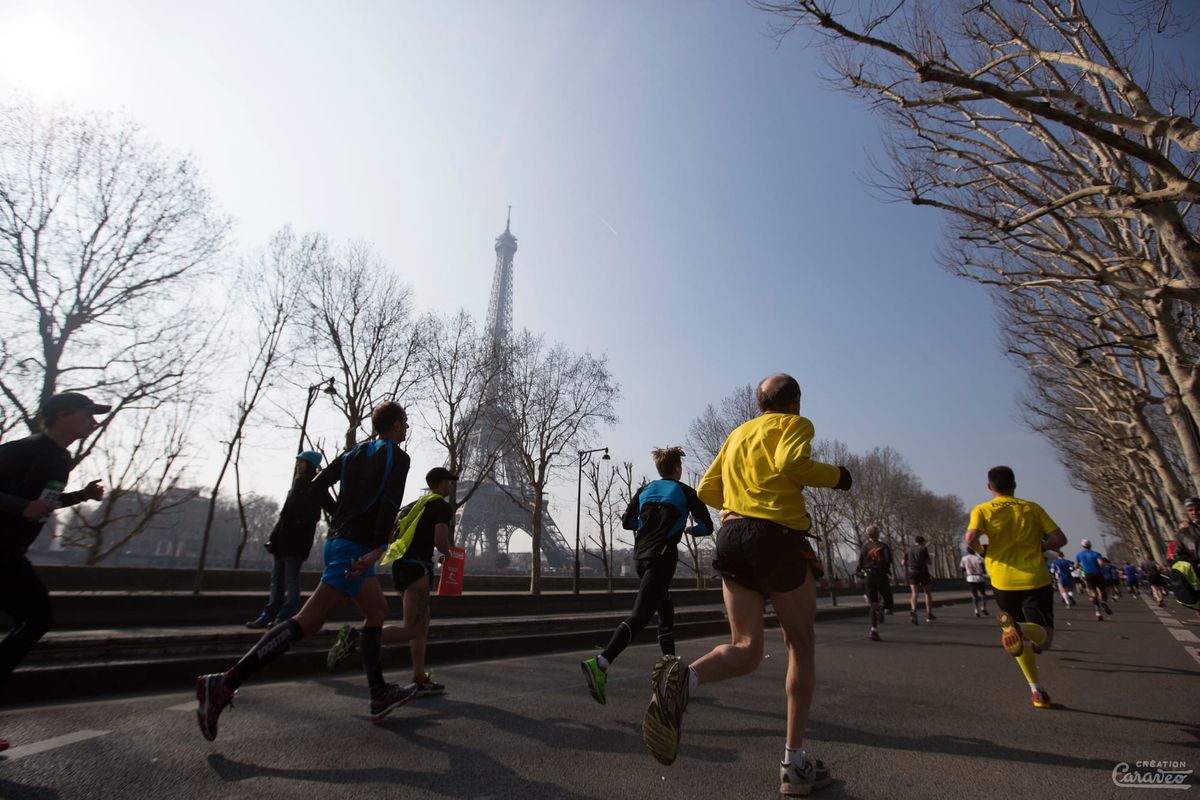
Le marathon de Paris a célébré ce dimanche 12 avril 2026 son 50ᵉ anniversaire, dans un engouement (enthusiasm) exceptionnel.
Avec plus de 50 000 participants, cette édition confirme l’attractivité (appeal) croissante de l’événement.
Le parcours (route), particulièrement emblématique (iconic), traverse les lieux les plus célèbres de la capitale, offrant une expérience unique aux coureurs.
Parmi les anecdotes, on note une forte présence de coureurs internationaux et une ambiance (atmosphere) festive presque comparable à un festival.
Depuis 1976, le marathon connaît une véritable démocratisation de la pratique de la course à pied : aujourd’hui, la majorité des participants sont des amateurs.
Petit historique du Marathon
Le marathon trouve son origine dans la Grèce antique, à travers (through) la légende du messager Phidippidès, qui aurait couru de Marathon à Athènes pour annoncer une victoire militaire avant de mourir d’épuisement (to die of exhaustion).
Cette histoire inspire la création de l’épreuve lors des premiers Jeux olympiques modernes à Athènes en 1896, remportée par le Grec Spyridon Louis.
Le plus ancien marathon encore organisé aujourd’hui est celui de Boston Marathon, créé en 1897.
À l’origine, ces courses apparaissent pour célébrer l’héritage antique et promouvoir (to promote) l’endurance et les valeurs olympiques.
Les grands marathons du monde : où se situe Paris ?
Parmi les marathons les plus prestigieux (prestigious) au monde figurent ceux de New York, de Boston ou encore de Londres.
Certains, comme Boston, sont très sélectifs (selective), tandis que (whereas) d’autres reposent sur un système de tirage au sort (random draw).
Le Marathon de Paris, lui, se distingue par une plus grande accessibilité, ce qui explique son large (broad / wide) succès populaire.
S’il ne fait pas officiellement partie des six plus grandes épreuves (events) mondiales, il rivalise néanmoins par le nombre de participants et la beauté de son parcours.
Paris s’impose ainsi comme un marathon d’expérience, davantage tourné vers (more oriented towards) le plaisir que vers la seule performance.
Le marathon : phénomène sportif… ou social ?
Le marathon est devenu un symbole de dépassement de soi (pushing your limits), notamment chez les cadres urbains (urban professionals).
Pour beaucoup, c’est une manière de donner du sens à un quotidien professionnel intense.
Mais certaines critiques parlent d’un effet de mode (a trend), voire (even) d’une forme de pression sociale : courir un marathon devient presque un passage obligé.
On observe aussi des risques liés au surentraînement (overtraining), surtout chez les amateurs mal préparés.
Entre quête personnelle, besoin de reconnaissance (need for recognition) et recherche d’expérience forte, le marathon dépasse largement le simple cadre du sport.
Finalement, la question reste ouverte : court-on pour soi… ou pour le regard des autres ?
🏃 Quiz — Le Marathon de Paris 2026
Testez votre compréhension de l’article et révisez le vocabulaire clé.
📘 Vocabulaire à retenir
engouement = enthusiasm
attractivité = appeal
parcours = route / course route
ambiance = atmosphere
à travers = through
épuisement = exhaustion
promouvoir = to promote
prestigieux = prestigious
sélectif = selective
dépassement de soi = pushing your limits
surentraînement = overtraining
TRADUCTION
The Paris Marathon 2026: 50 Years of Passion
The Paris Marathon celebrated its 50th anniversary on Sunday, April 12, 2026, with an incredible level of excitement.
With over 50,000 participants, this year’s edition confirms the event’s growing popularity.
The course, truly iconic, takes runners past some of the most famous landmarks in Paris, offering a one-of-a-kind experience.
Among the highlights: a strong international presence and a lively atmosphere that feels almost like a citywide festival.
Since 1976, the marathon has become much more accessible, and today, most participants are everyday runners rather than professionals.
A Brief History of the Marathon
The marathon traces its origins back to Ancient Greece, with the legend of the messenger Pheidippides, who supposedly ran from Marathon to Athens to announce a military victory before collapsing from exhaustion.
This story inspired the creation of the event at the first modern Olympic Games in Athens in 1896, won by Greek runner Spyridon Louis.
The oldest marathon still held today is the Boston Marathon, first organized in 1897.
Originally, these races were meant to celebrate ancient history while promoting endurance and Olympic values.
The World’s Major Marathons: Where Does Paris Stand?
Some of the most prestigious marathons in the world include New York, Boston, and London.
Certain races, like Boston, are highly competitive and require qualifying times, while others use a lottery system.
The Paris Marathon stands out for being more accessible, which helps explain its broad appeal.
Even though it’s not officially part of the six World Marathon Majors, it competes in terms of participation and the beauty of its course.
Paris has built a reputation as an experience-focused marathon — more about enjoyment than pure performance.
The Marathon: A Sport… or a Social Phenomenon?
Running a marathon has become a symbol of pushing your limits, especially among urban professionals.
For many, it’s a way to bring meaning and structure to a demanding work life.
But some critics see it as a trend — or even a form of social pressure — where completing a marathon feels almost expected.
There are also real risks, including overtraining, especially for amateur runners who may not be fully prepared.
Between personal challenge, the desire for recognition, and the search for meaningful experiences, the marathon clearly goes beyond just being a sport.
In the end, the question remains: are people running for themselves… or for how it looks to others?